Revolution in Conakry: Who Didn't See This Coming?
A look back at Guinea's 2021 coup — how years of unheeded protest against Alpha Condé's third term made Mamady Doumbouya's takeover feel inevitable.
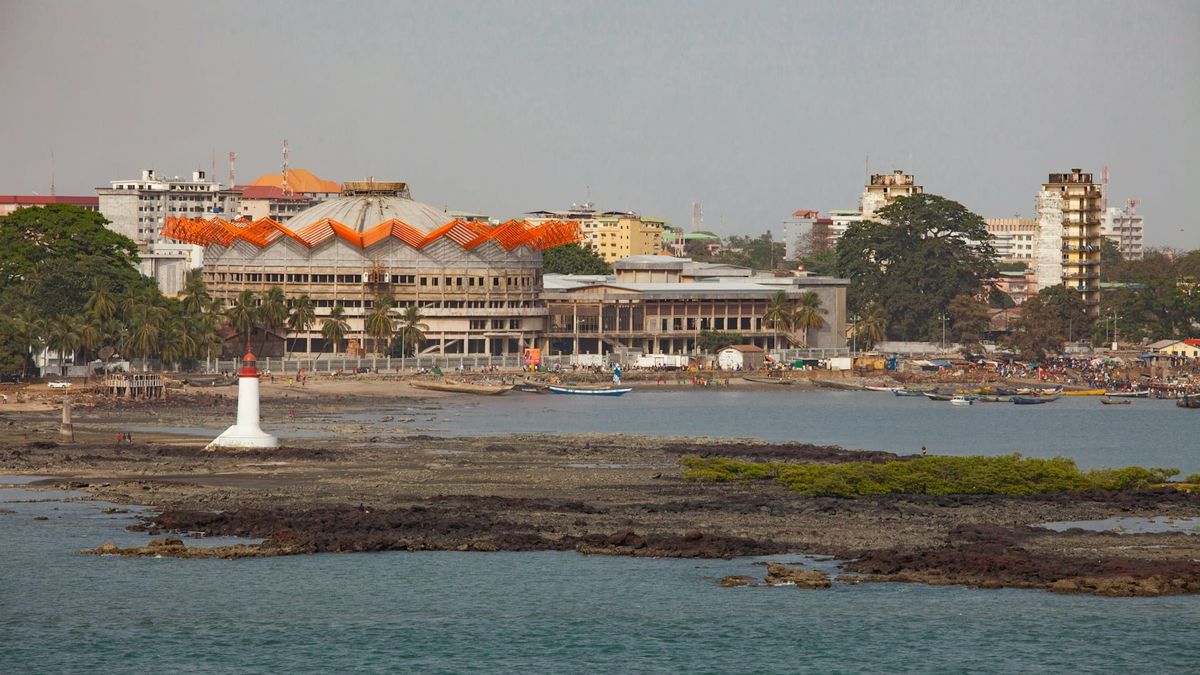
Before his controversial third-term election, Guineans had already moved on from Alpha Condé as the country's leader. It started in the early months of election year 2020, when Condé held a referendum that would let him run for a third term as president. People already dissatisfied with his two-term government — one that had failed to address economic hardship, a weak financial system, and underdevelopment — were ready to see his time in office end in 2020. So when news broke of a referendum that would extend his hold on power, chaos and riots followed in the streets. The people wanted their disapproval noted; some lost their lives making sure it was.
But their concerns were ignored and belittled, and Condé went on to win the third-term election in October 2020. When he did, protests turned to riots that lasted for days and claimed more lives than the earlier uprising had. Once again, nothing productive came of it, and the people's demands were overlooked. The pain and disappointment sank in, and the country's elites urged everyone to move on. But it was too late — the hunger for change, the need to be heard, and the desire for something greater had taken hold in every Guinean mind. Condé had left them with two options: live with him indefinitely, or revolt.
Revolt they did. So, when news broke that the Guinean president had been ousted, it came as no surprise to most. The only real shock was how early it happened in his third term — many believed Condé had the military locked down. The army, after all, had been instrumental in crushing the earlier protests against him. There are strong claims that the coup leader, Colonel Mamady Doumbouya — a former French Foreign Legionnaire — was deliberately brought into the Guinean army to lead a specific unit: the Special Forces Group (GFS), created to counter dissent and shore up Condé's regime. But as a patriot, Doumbouya said he saw the need to oust his president and set the people free, as he stressed in his speech right after taking power. He quoted the late Flight Lieutenant Jerry John Rawlings of Ghana: “If the people are crushed by their elites, it is up to the army to give the people their freedom.”
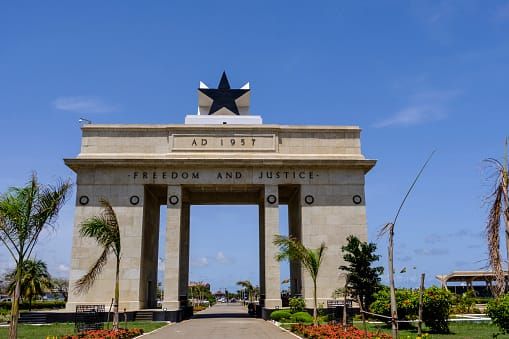
That quote comes from Rawlings's first coup, in 1979, when he stepped aside again within months. It was his second coup, in 1981, that kept him in charge for over a decade — Ghana didn't return to multi-party democracy until 1992, and Rawlings himself didn't leave office until 2001, after 20 years in power. Mamady doesn't plan on taking that long, and with Guinea's natural and human resources, he may not have to.
One striking similarity between Ghana's revolution and Guinea's is each leader's ability to unite people across ethnic lines. As seen on the streets of Conakry, people from every background celebrated together as their president was ousted. What comes next is what matters most — it opens the door to new relationships and opportunities that Guinea and its allies must be ready to seize. The revolution is being televised. Like Colonel Doumbouya, let's all put our game faces on.